A seller in Willo decides to swap out a tired aluminum-frame window before listing photos go up. It seems like the kind of fix that pays for itself in curb appeal. Then she learns the window sits on a street-facing wall in a local historic district, which means the swap needs a Certificate of Appropriateness from the city before a contractor can touch it. The review alone can take four to eight weeks. Her listing date just moved.
That is the story behind a number that shows up in every market snapshot of Phoenix's historic neighborhoods: homes in Willo spend more time on the market than the metro average. As of May 2026, the median home price in Willo sat around $790,000, with the median sale price over the prior twelve months at $780,000. Homes there took an average of 66 days to sell, compared with a national average of 58. Read on a spreadsheet, that gap looks like a pricing problem. It isn't. It's a sequencing problem, and it starts well before a home ever hits the market.
The Approval Most Sellers Don't Budget For
Phoenix's historic districts carry an overlay zoning designation, HP or HP-L, that the city's Historic Preservation Office applies to protect exterior character. Under that overlay, any exterior change visible from the street, from window replacement to fence work to a new porch, requires either a Certificate of No Effect or a Certificate of Appropriateness before a building permit gets issued. The difference matters. A Certificate of No Effect covers minor, clearly compliant work and can be approved over the counter by city staff. A Certificate of Appropriateness covers anything more visible or complex, and it requires a public hearing.
Interior work is exempt entirely. A seller can gut a kitchen, replace flooring, or rewire a house without triggering any review, as long as none of it changes what's visible from the sidewalk. Routine maintenance, like repainting in a matching color, is also excluded. But the moment a project touches windows, siding, roofing material, or an outbuilding, the city's own guidance is clear that a pre-application meeting with a preservation planner comes first, and a full Certificate of Appropriateness review can follow.
That timeline rarely lines up with a typical listing prep schedule. A seller who wants fresh windows in professional photos, or who is replacing a failing roof before an inspection can flag it, may be looking at a multi-week city review layered on top of the contractor's own schedule.
Why the Willo Number Isn't About Price
The days-on-market gap in Willo has less to do with what buyers think a house is worth and more to do with what it costs to close on one. Financing is where this shows up first. FHA loans remain a common tool for buyers in this price range, and the 2026 FHA loan limit in Maricopa County is $806,500, comfortably covering a large share of Willo's inventory. But FHA appraisers routinely flag two conditions common in homes built before 1950: knob-and-tube wiring and lead-based paint.
Knob-and-tube wiring, found in homes built before roughly 1940, isn't automatically disqualifying, but many FHA lenders will require it removed before closing if an inspector calls it out. A full rewire runs $8,000 to $25,000 or more, and that's a number that has to get negotiated between buyer and seller mid-escrow, not before. Lead paint disclosure is required by federal law on any home built before 1978, which covers essentially the entire historic district inventory. Intact paint isn't treated as an immediate hazard, but chipping or peeling paint on a street-facing porch or window trim will draw an abatement requirement before an FHA loan closes.
Layer the Certificate of Appropriateness timeline on top of that financing friction and the extra eight days in Willo's average stop looking like a demand signal and start looking like exactly what it is: the time it takes for approvals, inspections, and lender conditions to clear before a deal can close.
The Easement Sellers Sometimes Forget Is Recorded
There's a second layer that doesn't show up in any market report. The city's Exterior Rehabilitation Grant Program provides matching funds, between $5,000 and $20,000 per project, to owners who complete approved facade repairs. In exchange, the property owner sells the city a conservation easement on the roof and exterior surfaces of the structure. That easement runs with the property. It doesn't expire when the house changes hands, and it can carry obligations, like maintaining the facade in a specific condition, that a new owner inherits without necessarily knowing it exists.
A title search through the Maricopa County Recorder will surface a recorded easement, but it's easy to miss if a seller or their agent isn't specifically looking for it. Before listing a historic district home, it's worth pulling permit history and checking for any grant-related easement on file with the city's Historic Preservation Office. It isn't a deal-breaker. It's a disclosure item, and disclosure items are the ones that cause the most friction when a buyer's attorney finds them first.
What's Actually Different Across the Districts
Phoenix's local historic districts don't behave the same way once a seller starts a renovation project. The character each one protects shapes how closely a proposed change gets scrutinized.
| District | Known For | What Adds Time to a Sale |
|---|---|---|
| Willo | The widest architectural mix in the city, from Tudor Revival to Mid-Century Modern within a few blocks | Broad review criteria mean more exterior projects land in the full Certificate of Appropriateness track rather than the faster staff-level approval |
| F.Q. Story | Cohesive Craftsman bungalow character across the district | Because uniformity defines the district, even a window profile change draws closer comparison to neighboring homes |
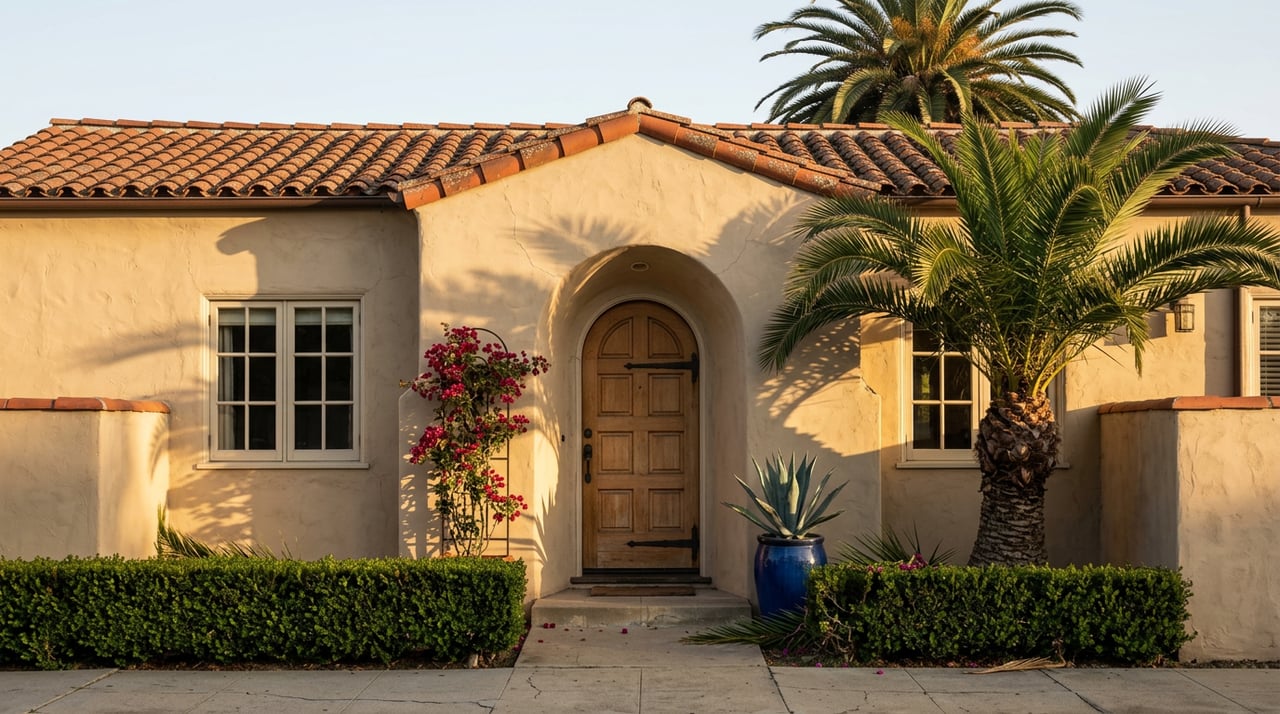
| Encanto-Palmcroft | Larger Spanish Colonial-era estates with tile roofs and decorative ironwork | Character-defining features are bigger and more expensive to repair correctly, which raises the stakes of any pre-listing repair |
| Del Norte | Individually significant homes, some carrying National Register status and a State Historic Property Tax certification | National listing alone doesn't restrict what an owner can do, but a home that also carries a local overlay still needs city review for exterior work |
The takeaway isn't that one district is harder to sell than another. It's that the specific project a seller has in mind, a window, a roof, a fence, will move at a different speed depending on which district's design guidelines it has to clear.
A Deadline That Actually Matters This Fall
For sellers weighing whether to make city-assisted repairs before listing, there's a real deadline on the calendar. Phoenix's Historic Preservation Office requires applicants for this year's Exterior Rehabilitation Grant cycle to request access to the application folder by 5 p.m. on Friday, October 9, 2026, with completed materials due by 5 p.m. on Wednesday, October 14, 2026.
That timeline rules out the grant as a quick pre-listing fix for anyone hoping to close this fall. It's worth knowing about for a different reason: if a seller is comparing two paths, apply for cost-share now and plan a spring listing, or skip the grant and list sooner without it, the October dates are the fork in that decision. Missing the window doesn't cost anything. Missing the decision point does.
Before You Call a Contractor
A short list worth working through before signing any repair contract on a historic district home:
- Contact the Historic Preservation Office before scheduling exterior work, even work that seems minor
- Ask specifically whether the project qualifies for a Certificate of No Effect or requires a full Certificate of Appropriateness hearing
- Budget four to eight weeks for city review if the project is street-visible
- Pull a title search through the Maricopa County Recorder to check for a recorded conservation easement
- Hire an inspector with experience in early twentieth-century construction, not just a generalist
- Disclose known lead paint condition under federal law, regardless of whether it's currently intact
- If the home has original wiring, be ready to discuss knob-and-tube status with buyers and their lenders early, not after an appraisal flags it
A Few Questions Worth Asking Directly
Does repainting require city approval? No. Routine maintenance, including repainting in a compatible color, is excluded from Historic Preservation Office review. The city doesn't regulate paint color choice, though it discourages painting masonry that was never painted.
If my home is only on the National Register, do the same rules apply? Not the same way. National Register listing is largely honorific for private owners and doesn't restrict what they can do. It's local designation, the HP or HP-L overlay, that creates enforceable review requirements for exterior work.
Can I still sell if there's a recorded conservation easement? Yes. It isn't a barrier to selling, but it is something a buyer's title company and attorney will find, so it's better disclosed upfront than discovered during escrow.
Selling a home in one of Phoenix's historic districts rewards sellers who plan the paperwork as carefully as they plan the paint color. If you're weighing a fall listing in Willo, F.Q. Story, Encanto-Palmcroft, or any of the city's other historic districts, The Mitchell Group AZ can walk through what's already recorded against your property and what a realistic timeline looks like before you list. Start with a home value estimate and a conversation about what's ahead.