If you want a place that feels more like an Arizona desert town than a typical suburb, Cave Creek stands out right away. You may be drawn to the trails, the western character, or the idea of having a little more space and a little more quiet while still staying within reach of the Phoenix area. In this guide, you’ll get a practical look at what it’s like to live in Cave Creek, from lifestyle and housing to everyday tradeoffs that matter before you buy. Let’s dive in.
Cave Creek has a distinct identity
Cave Creek is not trying to be a polished master-planned suburb. The town leans into its western roots, arts scene, and desert setting, which gives it a personality that feels different from many nearby communities.
According to the Town of Cave Creek, the town was founded in 1870, incorporated in 1986, and has a population just over 5,200. The same town overview describes Cave Creek as a place known for cowboys, horses, local shops, dining, art galleries, and trail access, all just minutes from Phoenix.
That blend is a big part of the appeal. You get a small-town atmosphere with a visitor-friendly core, but you are still connected to the greater metro for work, services, and travel.
The lifestyle feels rural-leaning
One of the first things many buyers notice is that Cave Creek feels more rural than suburban. Some parts of town are spread out, open, and quiet, with larger parcels and a stronger connection to the desert landscape.
The town’s notice to prospective property owners explains that many residential areas are zoned Desert Rural, where ranching and horses are allowed on parcels of at least two contiguous acres. It also notes that a substantial percentage of local land is designated open space, which helps preserve the area’s wide-open feel.
That means daily life here can feel a little more independent. You may have more land, more privacy, and more direct access to nature, but you may also need to think more carefully about utilities, road access, and property upkeep than you would in a more urban neighborhood.
The town core is active and walkable in feel
While Cave Creek is rural-leaning overall, the historic core has a very different rhythm. Near the center of town, you’ll find a more compact area with shops, restaurants, galleries, museums, trails, and public spaces.
The town’s Core Plan describes this area as a mix of historic buildings, specialty shops, eateries, galleries, parks, and mixed residential forms, with streets shared by pedestrians, bicyclists, and equestrians. In practical terms, that creates a more social, active environment than you might expect from a small desert town.
If you like the idea of being close to dining, local events, and a little more activity, living near the core may appeal to you. If you want a quieter and more secluded setup, areas farther out may be a better fit.
Outdoor access is a major perk
For many buyers, outdoor recreation is one of the biggest reasons to consider Cave Creek. The town has strong access to trails and open space, and that is not just a nice extra. It is part of everyday life here.
The town maintains multi-use trails that connect parts of Cave Creek to Cave Creek Regional Park, Spur Cross Ranch Conservation Area, the Tonto National Forest, and the Maricopa Trail. Many of these routes support hiking, biking, and horseback riding, which makes outdoor access feel woven into the community rather than separate from it.
Nearby Cave Creek Regional Park covers 2,934 acres and includes 16 miles of multi-use trails, according to Maricopa County. The park supports hiking, mountain biking, and horseback riding, and its elevation range helps create scenic desert views that feel far removed from the city.
Spur Cross Ranch Conservation Area adds another layer to the outdoor experience, with 2,154 acres and opportunities for hiking, biking, and horseback riding. The area is known for a more rugged feel and riparian habitat along Cave Creek, which adds variety to the landscape.
For a closer-to-town option, Desert Awareness Park offers self-guided trails, picnic areas, and a Desert Heritage Center focused on local natural and cultural history. That makes it a convenient choice when you want an easier outdoor outing without leaving town.
Arts and western culture shape daily life
Cave Creek’s character is not only about open space. The arts are a visible part of the town’s identity, and that contributes to the community feel.
The town’s property owner notice states that the arts are a cornerstone of Cave Creek. The local gallery directory includes places such as Blue Coyote Gallery, Blue Sage Gallery, Rare Earth Gallery, and Sergio / Small Works by Sergio, which reflects how established the arts scene is in town.
The Tourism Bureau also highlights live bull riding, horses, galleries, saloons, restaurants, and unique shops. Even if you are not looking for a tourist experience, those features shape the local atmosphere and give Cave Creek a sense of place that many buyers find memorable.
Housing tends to be higher-end
Cave Creek is generally not an entry-level market. Home values here sit in a premium tier, which is important to understand if you are comparing it with other parts of the North Valley.
Census Reporter shows a median value of owner-occupied housing units of $906,100 in the ACS 2024 profile. While different market trackers use different methods, the research points to a market that is broadly around the million-dollar mark.
That pricing lines up with the town’s overall profile. The Town of Cave Creek reports a median household income of $102,589, while Census Reporter shows $107,067, which helps explain how the community supports higher-value housing.
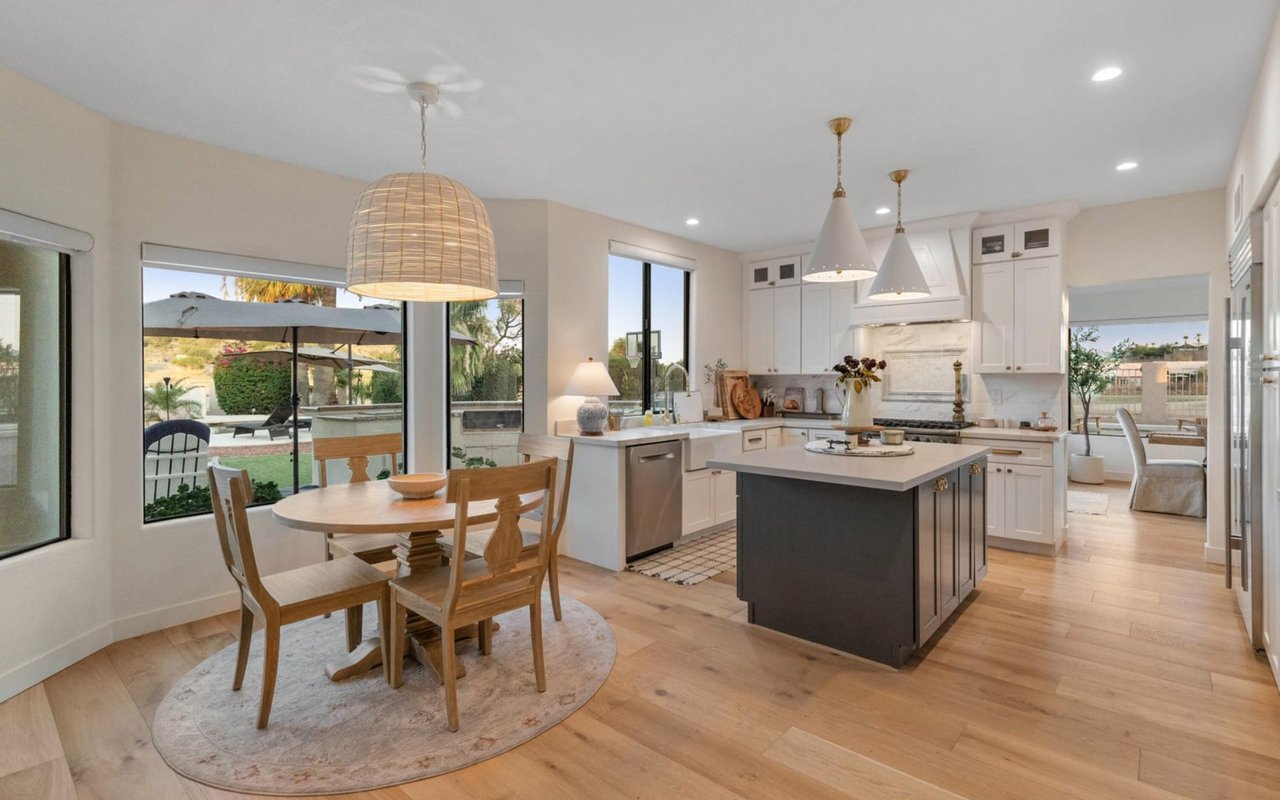
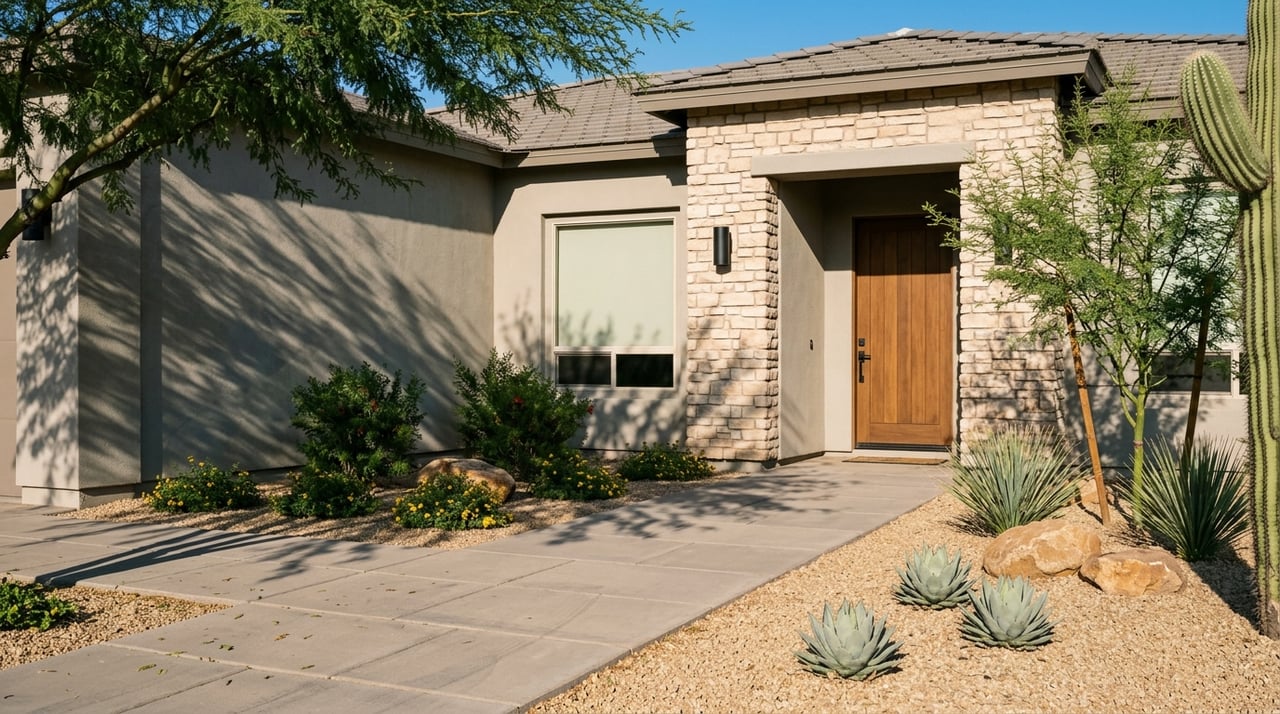
From a housing style standpoint, Cave Creek is not one-size-fits-all. Near the core, you may find more mixed-use and mixed residential forms, while areas farther out often feel more spacious, rural, and horse-oriented.
Everyday logistics matter more here
This is one of the most important parts of living in Cave Creek. The lifestyle is appealing, but it comes with practical considerations that buyers should understand early.
According to the town’s notice to prospective property owners, Cave Creek has no municipal trash collection, sewer is not available to all areas, water rates may be higher, and roads are predominantly rural with low speed limits and some private roads. These are not necessarily deal-breakers, but they do affect how a property functions day to day.
For some buyers, that level of self-sufficiency is part of the appeal. For others, it can feel like more responsibility than they want. It is smart to look closely at utility setup, road access, lot conditions, and maintenance expectations before making an offer.
Fire awareness is part of ownership
Because Cave Creek is set in the desert with significant open land, wildfire planning matters. This is a practical reality of living in the area, not just a seasonal concern.
The town’s Fire and Emergency Medical Services page states that the entire community sits in an urban/wildland interface zone. It also notes that fire and medical protection is available through an intergovernmental agreement with Daisy Mountain Fire Department, and residents can request a free defensible-space evaluation.
If you are buying in Cave Creek, it helps to think beyond the home itself. You also want to understand vegetation management, lot access, and defensible space as part of responsible ownership.
Commutes and convenience are a tradeoff
Cave Creek offers scenery, space, and character, but it is not the most central option in the metro. If you work elsewhere in the Valley or want quick access to dense retail corridors, this is worth weighing.
Census Reporter shows a mean travel time to work of 29.7 minutes. That number reinforces the idea that Cave Creek is more lifestyle-oriented and a bit more outlying than a conventional suburban location.
For many buyers, that tradeoff is worth it. You may spend a little more time driving, but you gain a setting that feels calmer, more distinctive, and more connected to the desert.
Who Cave Creek fits best
Cave Creek tends to work best for buyers who want the home and the setting to support a specific lifestyle. If you are looking for a highly polished suburban environment with standardized services on every block, another area may be a better fit.
Cave Creek may be a strong match if you want:
- Desert scenery and protected open space
- Easy access to hiking, biking, and horseback riding
- A western small-town atmosphere
- A home with more land or rural character
- A community with an active arts and dining identity
It may be less ideal if you prefer:
- A more urban or master-planned suburban feel
- Shorter drives for daily errands and commuting
- Full municipal utility coverage in every area
- A lower home price point
What living in Cave Creek really feels like
At its core, Cave Creek feels like a place for people who want room to breathe. It offers a distinct mix of western heritage, art, outdoor access, and desert-rural living that is hard to replicate elsewhere in the Phoenix area.
That said, the charm is tied to real tradeoffs. Higher home values, rural infrastructure, and wildfire awareness are all part of the full picture. When Cave Creek is the right fit, though, it can offer a lifestyle that feels both grounded and unique.
If you are thinking about buying or selling in Cave Creek, working with a team that understands the differences between the town core, rural parcels, and lifestyle-driven buyer priorities can make the process much smoother. The team at The Mitchell Group AZ can help you evaluate your options with local insight and a practical, relationship-first approach.
FAQs
What is the lifestyle like in Cave Creek, Arizona?
- Cave Creek has a western desert-town feel with trail access, local dining, art galleries, horse-friendly areas, and a small-town atmosphere that is more rural-leaning than suburban.
Is Cave Creek, Arizona, rural or suburban?
- Cave Creek is more rural overall, though the historic town core has a more compact, mixed-use feel with shops, restaurants, galleries, and visitor activity.
Are homes in Cave Creek, Arizona, expensive?
- Cave Creek is generally considered a higher-end market, with Census Reporter showing a median owner-occupied home value of $906,100 in the ACS 2024 profile.
What should buyers know before moving to Cave Creek, Arizona?
- Buyers should look closely at property-specific details like trash service, sewer availability, water costs, road access, and wildfire preparedness because services and infrastructure can differ from a typical city neighborhood.
Is Cave Creek, Arizona, good for outdoor recreation?
- Yes. Cave Creek offers access to local trails, Cave Creek Regional Park, Spur Cross Ranch Conservation Area, the Tonto National Forest, and other outdoor spaces for hiking, biking, and horseback riding.