Glass-walled moderns or handcrafted adobe compounds. In Paradise Valley, the style you choose shapes how you live every day and what your property is worth tomorrow. If you are weighing which luxury look fits you best, this guide breaks down the dominant styles, how lots and Town rules shape design, and what to expect in maintenance and resale. Let’s dive in.
Why Paradise Valley stands out
Paradise Valley is a low-density, ultra-luxury enclave where privacy, large lots and mountain views take center stage. Most estate-scale properties sit on expansive parcels, and many listings reference zoning patterns like R-43 that align with 1 acre and larger lots. The Town’s permit library even includes height and site documentation tailored to these larger-lot contexts, which matters when you are evaluating a teardown or a major addition. You can review height forms and other requirements in the Town’s Permits and Handouts library.
The market is also highly custom. With limited new land, many sales revolve around legacy estates, high-end renovations, and teardown-to-spec projects. Buyer taste drives the activity you see on the ground, especially desert contemporary and warm modern builds, while updated Mediterranean and authentic Santa Fe estates continue to draw strong interest for resort-style and regional character.
Signature luxury styles
Desert Contemporary
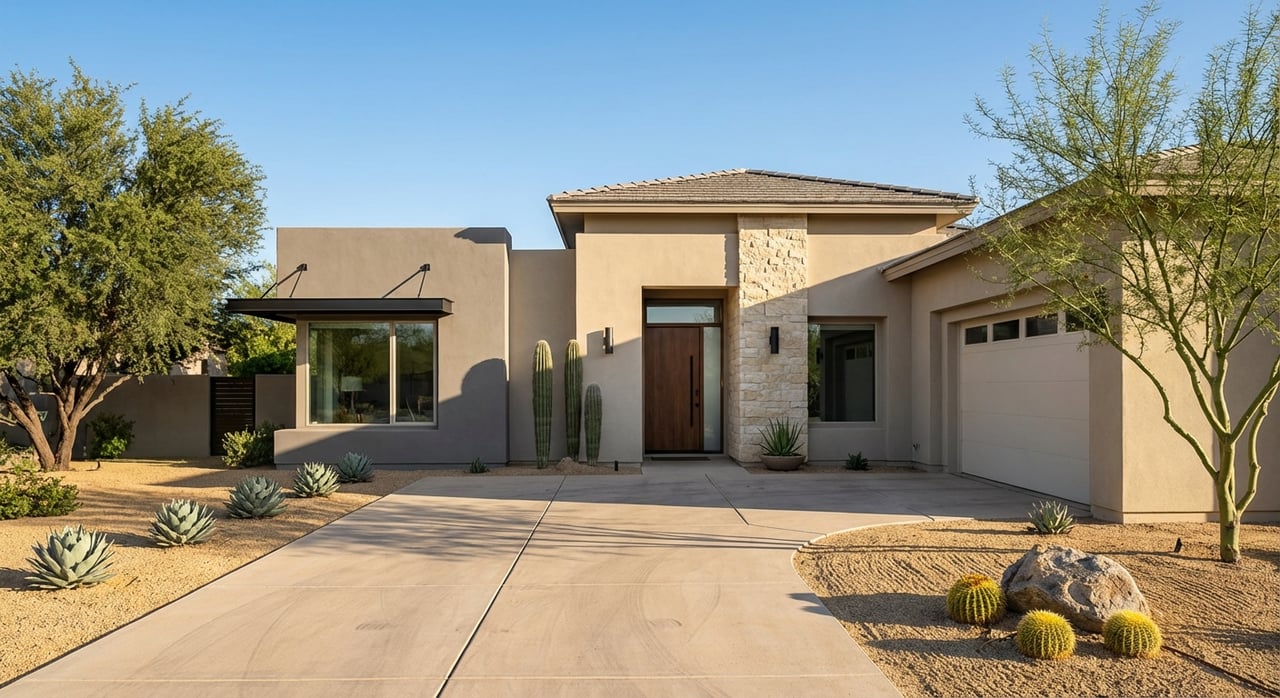
You will recognize desert contemporary by low, horizontal rooflines, deep overhangs and long walls of high-performance glass that frame Camelback or Mummy Mountain views. Materials skew natural and warm: smooth stucco, stone, steel and wood accents. Plans are open and often single-level or U-shaped to cradle a private courtyard and maintain view corridors.
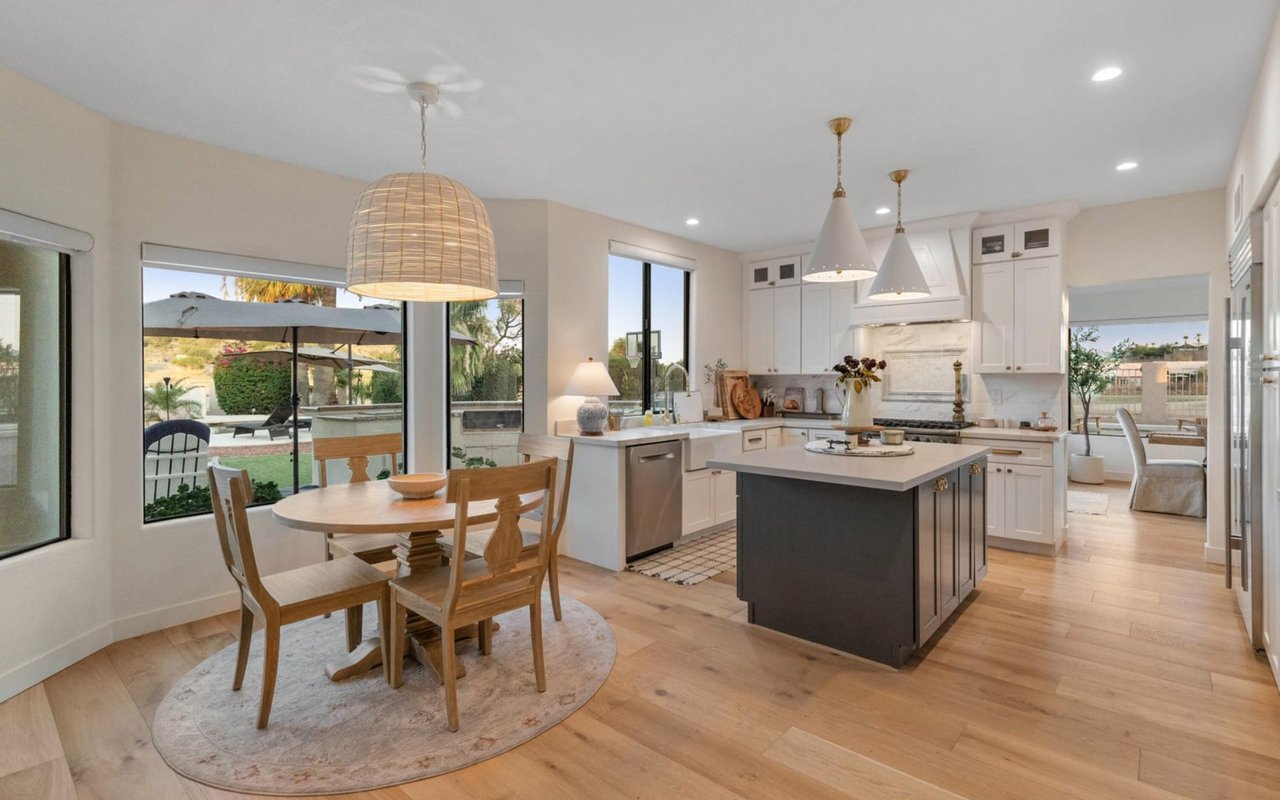
What you will find inside: wide-plank wood or stone floors, oversized pivot doors, statement stone counters, and integrated smart-home systems. Outdoor living is a true extension of the interior with covered rooms, outdoor kitchens and a pool environment that runs like a resort.
Value and care: large panes of glass and low-slope roofs look effortless, but they need the right engineering. Budget for high-spec glazing, deep shading, and diligent roof membrane inspections. When well executed, desert contemporary often commands a premium because it aligns with current ultra-luxury buyer preferences.
Santa Fe and Pueblo Revival
This adobe-inspired language features thick sculpted walls, rounded parapets, vigas and kiva fireplaces. Expect intimate courtyards, recessed windows and handcrafted textures like plaster, Saltillo tile and carved wood. In Paradise Valley, you will also see legacy compounds on larger lots that celebrate this regional character.
Value and care: heavy-wall construction can help stabilize interior temperatures. Flat roofs and parapets need periodic inspection, and stucco or true adobe repairs require specialized trades. Preserved or sensitively updated estates in this style attract a dedicated niche of buyers who value authenticity.
Mediterranean and Spanish Colonial
Mediterranean, Spanish Colonial and Tuscan estates read like private resorts. Hallmarks include clay or concrete tile roofs, arched openings, loggias and symmetrical facades. Interiors often blend formal rooms with generous entertaining wings and large terraces that flow to the pool.
Value and care: tile roofs can last decades in Arizona, but the underlayment is a real mid-life cost. Many owners plan for underlayment replacement and selective tile re-lay on a multi-decade cycle, a topic covered in regional guidance on Arizona roof lifespans and maintenance. Buyers respond to the overall resort infrastructure, so thoughtfully designed hardscape and outdoor kitchens are important.
Mid-century and regional modern
Paradise Valley and nearby neighborhoods include architect-driven modern homes with expressive masonry, steel and glass. These properties often come with design pedigree and are marketed as collectible architecture. If this is your lane, focus on documented restorations and recent systems upgrades, since savvy buyers ask about HVAC, glazing and roof work right away.
Transitional or updated traditional
Transitional homes bridge classic curb appeal with crisp, modern interiors. You will see pitched roofs and gables paired with cleaner finishes and open plans. In Paradise Valley, many older villas are reimagined into transitional estates, which can be more cost-effective than full teardowns while delivering broad buyer appeal.
Lots and rules that shape design
Common lot types
- Flatland estate lots, often 1 acre or more: Expect privacy walls, pool courts and multi-garage setups. These parcels lend themselves to single-level living and generous outdoor rooms.
- Hillside or canyon lots: Terraced plans, cantilevered decks and multi-level patios capture ridgeline views. These sites require additional engineering and Town review.
- Legacy compounds on larger parcels: In pockets near historic landmarks, you will find rare compound-style holdings with established landscape and architectural character.
Town reviews and requirements
- Hillside review: Hillside-designated parcels go through a specific Town process that adds time and submittals like grading, drainage and safety plans. If you are buying or planning to build, study the Town’s Hillside Application Portal early.
- Native plant preservation: Many projects must submit a Native Plant Preservation Plan that protects significant saguaros, mesquite and palo verde. This impacts removal, relocation and replanting budgets. The Town’s requirements are summarized in this native plant preservation overview.
- Height and site documentation: The Town’s permit library includes height certification forms and exhibits used in larger-lot zoning contexts. If views drive value for your home, obtain or update these documents to support your sale. See the Permits and Handouts library for details.
Style, value and upkeep
Biggest value drivers
- Views and lot size: In Paradise Valley, 1 acre privacy and mountain or city panoramas sit at the top of the priority list. Research on view premiums shows water views deliver the largest boosts in some markets, yet mountain views still provide a measurable benefit and remain highly marketable in the Valley. See a summary of view-premium research in this overview of how views influence residential values.
- Architecture and execution: Signature architects, quality materials and recognized builders can lift price per foot. Desert contemporary and architecturally notable homes tend to lead today’s conversation, but updated Santa Fe and Mediterranean estates remain sought after when systems and outdoor amenities compete.
Maintenance by style
- Roof systems: Flat and low-slope roofs common to contemporary and Southwestern forms need robust membranes and scheduled resealing. Mediterranean tile roofs are long-lived, but underlayment replacement is a realistic mid-life line item. Learn more in this guide on roof lifespans and maintenance planning.
- Large glass walls and shading: Glass-rich homes benefit from high-performance glazing, deep overhangs or exterior shading, and right-sized HVAC. Plan for regular seal and glazing inspections.
- Pools and outdoor systems: Pools are almost expected at this level. Annual service, equipment cycles and water management can range from several hundred to a few thousand dollars per month, depending on scope and service level. For a deeper look, review this Arizona-specific pool cost and maintenance breakdown.
- Landscape and water use: Paradise Valley emphasizes native and water-wise planting. Replacing large turf areas with xeric landscape is a common value play that also aligns with Town expectations. The Permits and Handouts library and the native plant preservation guide lay out what major projects should prepare.
Buyer cheat sheet for tours
- Desert contemporary
- Confirm glazing specs, shading strategies and orientation to view corridors.
- Ask for roof membrane age, HVAC tonnage and recent service logs.
- Santa Fe or Pueblo Revival
- Inspect parapets, stucco and any flat-roof sections for recent repairs.
- Look for authentic materials and well-maintained courtyards that support privacy and shade.
- Mediterranean or Spanish Colonial
- Ask about roof underlayment age and any tile re-lay history.
- Evaluate outdoor entertaining zones, kitchen, loggias and pool integration.
- Mid-century or architect-driven modern
- Document systems upgrades: HVAC, roof, glazing and electrical.
- Verify preservation work and material consistency in any remodels.
- Transitional or updated traditional
- Check that open-plan conversions feel cohesive with exterior massing.
- Prioritize timeless finishes over short-lived trends for better resale.
Seller prep highlights for top-dollar
- Lead with the lot and the views: Buyers choose on privacy, acreage and framed panoramas. Then explain how the architecture delivers that experience.
- Document the details: Provide roof dates and type, HVAC capacity and service, glazing specs, pool equipment ages and irrigation upgrades. Organized, verifiable systems info reduces buyer risk.
- Match updates to the home: Preserve authentic character in a Santa Fe or a classic Mediterranean while modernizing kitchens, baths and outdoor rooms. Avoid costly style mismatches that fight the original structure.
- Gather Town materials early: If your home’s value depends on view claims or if you sit on a hillside parcel, assemble height certifications, site exhibits and any hillside items from the Permits and Handouts library and the Hillside Application Portal.
When you are ready to align style, site and strategy, our team can help you compare options, estimate likely buyer response and plan a clear path to market.
Looking at a Paradise Valley property or planning a sale? Reach out to the family-led experts at The Mitchell Group AZ for a calm, consultative plan that fits your goals.
FAQs
Which luxury style sells fastest in Paradise Valley?
- Current demand often favors well-executed desert contemporary and architecturally notable homes, but high-quality Santa Fe and Mediterranean estates also sell well. Lot size and views usually outrank style alone.
Do large Paradise Valley lots mean there is no HOA?
- Not always. Many properties are not in an HOA, but some gated enclaves do have them. Confirm HOA status and fees on the specific listing before you compare neighborhoods.
Are hillside or canyon lots harder to build on in Paradise Valley?
- Yes. Hillside parcels trigger the Town’s review process and extra submittals that add time and cost. Study the Town’s Hillside Application Portal before you plan a project.
What should you inspect in a glass-heavy modern home in Paradise Valley?
- Ask your inspector to focus on glazing performance, sealants, roof membrane and flashings, HVAC capacity for open plans, and pool equipment age, then share system documentation up front.
What pool costs should you expect for a Paradise Valley estate?
- Plan for several hundred to a few thousand dollars per month for service, chemicals and equipment cycles, depending on complexity and service level. See this Arizona-focused pool maintenance overview.