If you want a home base in Phoenix without the full-time upkeep, lock-and-leave living can be a smart fit. Many buyers want the freedom to travel, live seasonally, or simply spend less time managing landscaping and exterior maintenance. In a city where heat, irrigation, and outdoor upkeep matter, choosing the right low-maintenance property can make day-to-day ownership much easier. Let’s dive in.
What Lock-And-Leave Means In Phoenix
In Phoenix, lock-and-leave living usually means a home you can leave for extended periods with less concern about yard work, exterior upkeep, or shared-area management. In many cases, that points buyers toward condos, townhomes, or detached homes in HOA-managed communities.
The key idea is not just the floor plan or home style. What matters most is who handles what when you are away. Arizona buyers receive disclosures that help clarify maintenance responsibilities, HOA rules, and other ownership details, which makes those documents especially important when you are comparing low-upkeep options. According to the Arizona Department of Real Estate Buyer Advisory, buyers should carefully review association documents and resale disclosures before moving forward.
Why Phoenix Buyers Consider Lock-And-Leave Homes
Phoenix has some very practical reasons for making low-maintenance ownership appealing. The city notes that the area faces hot temperatures with high to very high heat risk, and local programs focus on both heat response and long-term mitigation. You can see that in the city’s heat safety and response resources.
Water use is another major factor. The City of Phoenix says as much as 70% of residential water use is outdoor watering, which makes landscape design, irrigation systems, and HOA-managed common areas more important than many buyers first expect. The city’s HOA water-efficiency information highlights how outdoor maintenance can affect both livability and costs.
For you, that means a lock-and-leave home is often about more than convenience. It can also be about choosing a property setup that better matches Phoenix’s climate and maintenance demands.
Main Lock-And-Leave Options
Condos For Minimal Upkeep
Condos are often the most obvious lock-and-leave choice when you want the smallest maintenance footprint. In many condo communities, the association handles shared exteriors, common areas, and certain insurance responsibilities, although the exact scope varies by community.
Arizona condo resale law requires associations to disclose key details such as assessments, reserve information, insurance coverage, governing documents, and pending litigation. That is why a condo purchase often depends as much on the association as the unit itself. You can review those requirements in Arizona Revised Statutes 33-1260.
Townhomes As A Middle Ground
Townhomes often appeal to buyers who want lower maintenance than a typical detached home but more separation than a condo may offer. In the Phoenix metro, attached homes are a meaningful part of the market, not a niche category. HUD’s Phoenix-Mesa-Chandler housing market analysis includes both townhomes and condominiums in its home-sales data.
For many buyers, a townhome can strike a good balance between space and simplicity. Still, maintenance terms can differ widely, so it is important to confirm what the HOA covers before you assume a property is truly low upkeep.
HOA-Managed Detached Homes
A detached home can also work well for lock-and-leave living if the HOA handles landscaping or common-area upkeep. This option may appeal to buyers who want the privacy or layout of a single-family home without taking on every exterior task themselves.
That said, detached homes in HOA communities are not all the same. Phoenix’s water-efficiency guidance for HOAs notes that common-area landscape water costs can make up a large share of an HOA budget, and aging irrigation systems can become harder to maintain over time. That makes the community’s maintenance approach and financial planning worth a close look.
What To Verify Before You Buy
HOA Maintenance Responsibilities
The most important question is simple: What exactly does the HOA maintain, and what will still be your responsibility? You want clear answers about landscaping, irrigation, roofs, exterior walls, common areas, gates, amenities, and pest-control expectations.
Arizona’s buyer guidance makes it clear that buyers should read CC&Rs and related governing documents carefully. HOAs may also be governed by bylaws, rules and regulations, articles of incorporation, and architectural standards, according to the state buyer advisory.
Fees And Disclosure Costs
Your monthly HOA assessment is only part of the picture. You should also ask whether there are unpaid assessments, upcoming special assessments, transfer-related fees, and any resale disclosure charges tied to the transaction.
Under Arizona law, associations may charge up to $400 for certain resale-disclosure and lien-estoppel services, plus a $100 rush fee and a $50 update fee in some cases. Those details are outlined in A.R.S. 33-1260. If you are budgeting carefully, these costs are worth factoring in early.
Financial Health Of The Association
A well-run association can support the lock-and-leave lifestyle you want. A poorly run one can create surprise costs and headaches. That is why you should review the operating budget, annual financial report, reserve information, reserve study if available, and any disclosed pending litigation.
These items are part of Arizona’s required resale package for applicable communities. Looking through them can help you understand whether the HOA appears prepared for future maintenance and repairs.
Insurance Coverage Details
Insurance is another area where buyers should slow down and verify details. In some communities, the association may insure parts of the building or shared structures, while in others, the owner may carry more of that responsibility.
Arizona disclosure laws require information on association insurance coverage as part of the resale process. That is a helpful reminder not to assume that two similar-looking communities provide the same level of protection. Review the documents carefully so you understand where the HOA policy ends and your own coverage begins.
Rental Rules If You Travel
If you plan to rent out the home while you are away, confirm the rules before you buy. Arizona law says a property may be used as a rental unless the declaration prohibits it, but any rental time-period restrictions in the declaration still apply.
That makes the governing documents essential reading for seasonal owners and second-home buyers. You can review the applicable rental language in A.R.S. 33-1260.01.
Phoenix-Specific Ownership Considerations
Heat And Cooling Readiness
In Phoenix, cooling is not a minor issue. If you expect to leave a property vacant for stretches of time, you will want confidence in the home’s cooling system and overall heat resilience.
The Arizona buyer advisory specifically notes that buyers should make sure cooling and heating systems are adequate. Combined with the city’s heat response programs, that reinforces how important climate-readiness is when choosing a practical part-time or low-maintenance home.
Landscaping And Water Use
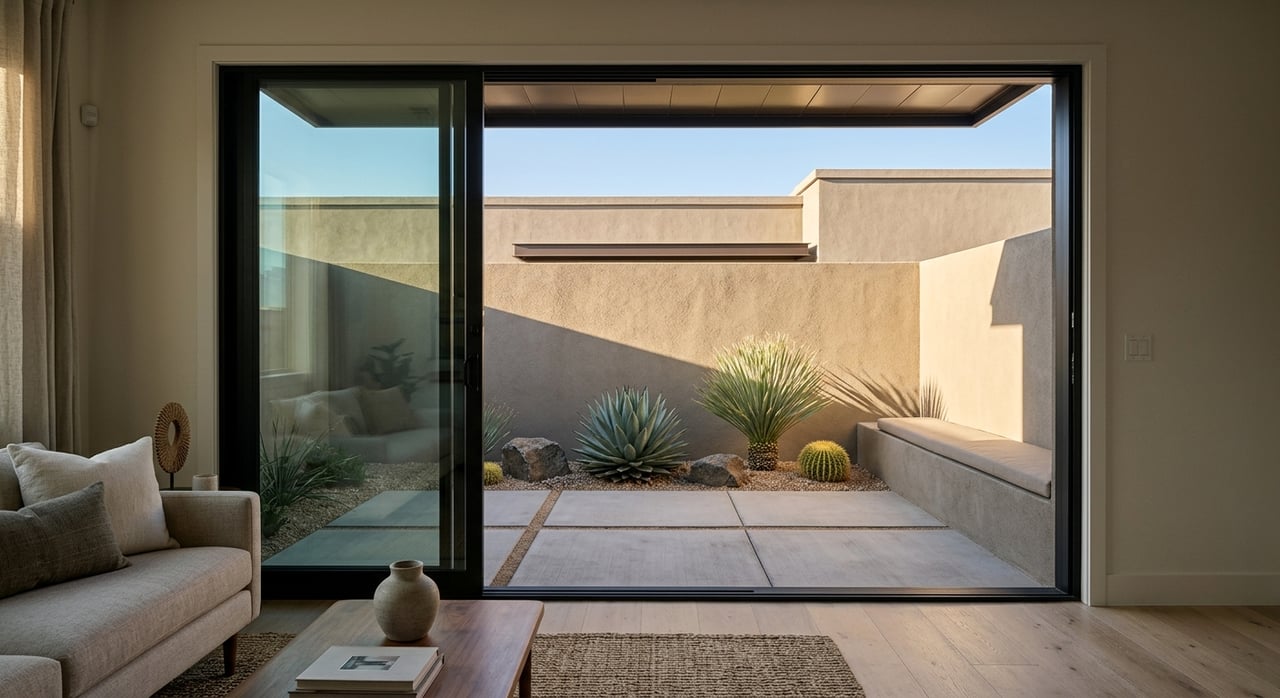
A property with large grass areas or owner-managed irrigation may not feel very lock-and-leave in Phoenix. Desert-friendly landscaping, efficient irrigation, and HOA-managed common areas can make ownership simpler and may reduce some of the day-to-day concerns that come with extended absences.
Phoenix also offers water conservation incentives, including programs tied to grass removal for businesses and HOAs. That local policy environment supports the broader appeal of low-water, lower-upkeep communities.
Pest Awareness
Part-time ownership also calls for practical planning around pest issues. Arizona’s buyer advisory notes that scorpions, termites, and roof rats are common in parts of the state.
That does not mean every property will have the same risk, but it does mean you should ask the right questions. If pest treatment is handled by the HOA for certain areas, confirm that in writing. If not, plan for your own maintenance strategy.
Phoenix Market Context Matters Too
If you are comparing lock-and-leave options in Phoenix, it helps to understand the broader market. HUD reported that the Phoenix-Mesa-Chandler housing market area had an estimated 5.25 million people as of January 1, 2025, and described the home-sales market as balanced. The same HUD report said 2024 existing-home sales totaled 66,600, with an average existing-home price of $594,800.
That market data includes single-family homes, townhomes, and condos, which is useful if you are weighing different property types side by side. In other words, lock-and-leave options are part of the mainstream Phoenix housing conversation, not a narrow specialty segment.
How To Choose The Right Fit
The best lock-and-leave home for you depends on how you plan to use it. Some buyers want the smallest possible maintenance footprint. Others want more space, a garage, or detached-home privacy while still reducing exterior responsibilities.
As you compare options, focus on these questions:
- What does the HOA maintain, and what stays on your to-do list?
- How strong are the HOA finances and reserves?
- Are there any special assessments or pending litigation?
- What insurance responsibilities belong to the association versus the owner?
- Are rentals allowed if your plans change?
- How well does the home’s cooling, landscaping, and irrigation setup fit Phoenix conditions?
If you answer those questions clearly, you will be in a much better position to choose a home that truly supports a lock-and-leave lifestyle.
Buying a low-maintenance home in Phoenix is not just about finding a property that looks easy to own. It is about understanding the documents, the community, and the practical realities of ownership in this climate. If you want local guidance as you compare condos, townhomes, or HOA-managed detached homes across the Phoenix area, connect with The Mitchell Group AZ for a thoughtful, relationship-first approach.
FAQs
What does lock-and-leave living mean in Phoenix real estate?
- Lock-and-leave living in Phoenix usually refers to a home that can be left for extended periods with less concern about yard work, exterior upkeep, or common-area maintenance, often in a condo, townhome, or HOA-managed detached-home community.
What should Phoenix buyers review in HOA documents for a lock-and-leave home?
- Phoenix buyers should review CC&Rs, bylaws, rules, assessment details, reserve information, insurance coverage, financial reports, and any pending litigation to understand maintenance duties, costs, and restrictions.
Are condos the best lock-and-leave option in Phoenix?
- Condos are often the lowest-maintenance option in Phoenix, but the best fit depends on the association’s maintenance scope, financial health, insurance structure, and your space and privacy needs.
Can you rent out a lock-and-leave home in Phoenix if you are away seasonally?
- In Arizona, a property may generally be used as a rental unless the declaration prohibits it, but any rental time-period restrictions in the governing documents still apply.
Why do heat and water matter when choosing a low-maintenance home in Phoenix?
- Heat and water matter because Phoenix faces high heat risk and outdoor watering can account for up to 70% of residential water use, making cooling systems, irrigation, and low-water landscaping important parts of low-upkeep ownership.