Are you wondering how a multimillion-dollar home in Paradise Valley gets its appraised value? You are not alone. In luxury sales, appraisals can feel opaque and sometimes at odds with what the market seems willing to pay. In this guide, you will see how appraisals work, what drives value in Paradise Valley, the common risks to watch for, and practical steps to support your price. Let’s dive in.
How luxury appraisals are done
Appraisers follow professional standards called USPAP along with Arizona licensing rules and lender requirements. For single-family luxury homes, the Sales Comparison Approach is the primary method. The appraiser identifies recent, similar closed sales and then adjusts for differences like location, lot, size, condition, and amenities.
In Paradise Valley, truly similar sales can be limited. When that happens, appraisers expand the search in time or distance and explain why those comps still reflect the local market. They may also rely on paired-sale analysis and a clear narrative to support larger adjustments.
Two secondary methods sometimes support the final opinion of value:
- Cost Approach. The appraiser estimates land value plus replacement cost new minus depreciation. This can help when a property is highly unique or newly built with exceptional construction quality. It may understate value where prestige and location premiums dominate.
- Income Approach. Rare for owner-occupied single-family homes, but it can be relevant if part of the property produces income, such as a rentable casita or event space.
Lenders add another layer. Conventional loans often follow agency guidelines. Jumbo and portfolio lenders may require more specialized appraisers or a tighter scope of work.
What drives value in Paradise Valley
Views and micro-location
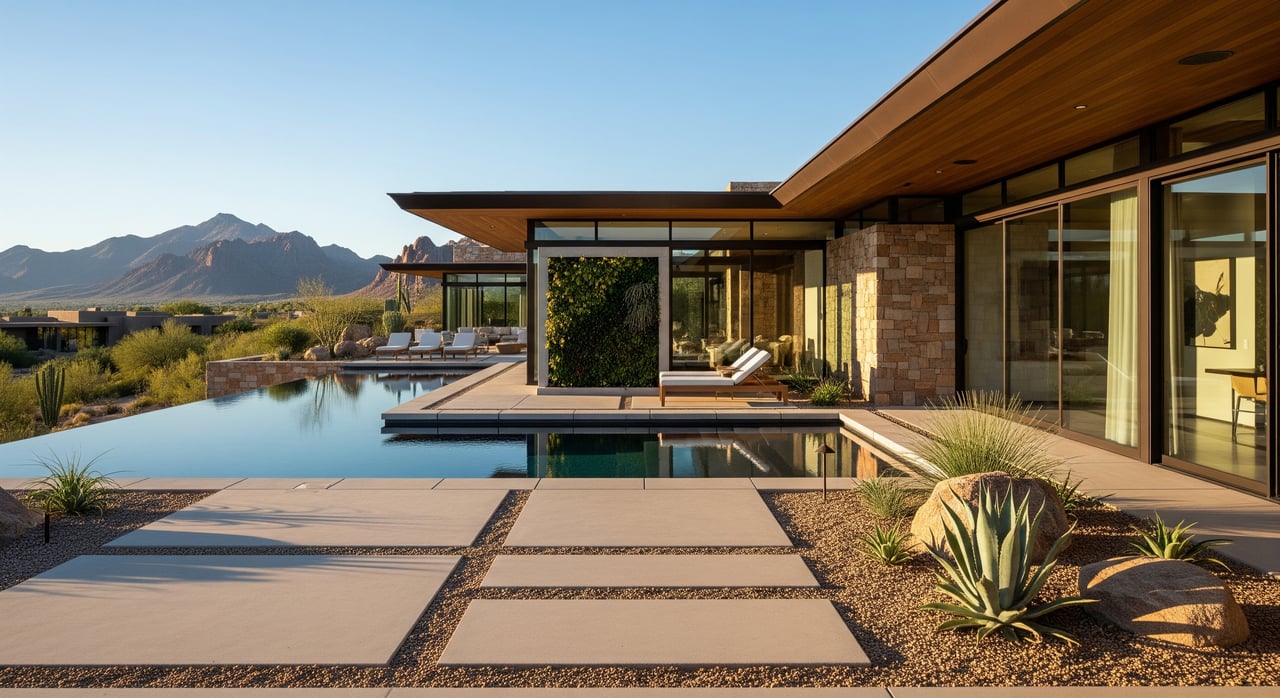
Paradise Valley is defined by views and privacy. Commanding sightlines of Camelback and Mummy Mountain or the Phoenix skyline carry measurable premiums. Appraisers look for paired sales that isolate the price impact of a superior view. Proximity to premium amenities and efficient access to regional hubs also support demand. Privacy, elevation, and gated settings often command value that is not explained by square footage alone.
Lot size, shape, and topography
Lot value is more than acreage. Usable flat building area, backyard orientation, and topography matter. Appraisers evaluate land value per buildable unit where possible and then reconcile with market reaction. Constraints like steep slopes or recorded easements can reduce value. Extra usable acreage or special site features can increase it when buyers show willingness to pay for those traits.
Custom construction and finishes
Luxury buyers notice construction quality. High-end materials, bespoke architecture, energy systems, smart integration, and professional landscaping can justify meaningful adjustments. Appraisers need support to credit these items. Permits, invoices, specs, and warranty documents help demonstrate quality and market appeal. Extremely specialized layouts or niche features can limit marketability, which may temper adjustments.
Amenities and lifestyle features
Pools, spas, outdoor kitchens, guest casitas, theaters, wine rooms, large garages, and security systems all contribute to value when demand exists. Appraisers look for comparables with similar amenities or use paired sales to quantify differences.
How appraisers choose comps
Primary search
The starting point is recent closed sales in the immediate area with similar lots, views, and construction quality. In a balanced market, appraisers often look at the last 6 to 12 months. They evaluate market trends to confirm that the time window is appropriate.
Expanded search
If nearby options are thin, the search may extend to older sales with time adjustments or to nearby luxury areas with similar characteristics. The appraiser explains why these choices are reasonable for the subject property.
Common adjustment categories
Appraisers adjust comparable sales to reflect differences from the subject. Typical categories include:
- Location and view quality
- Lot size, usable area, and orientation
- Gross living area and finish level
- Age, condition, and effective age
- Functional utility and floor plan
- Amenities such as pool, casita, theater, or wine room
- Garage and storage buildings
- Site improvements and landscaping
- Market conditions for price trends over time
Justifying adjustments
Every adjustment must be defensible and tied to market reaction. In luxury price ranges, single adjustments can be large in dollar terms. The appraiser documents the rationale, especially when expanding time or distance, and may include more detailed commentary to address uncertainty.
Common appraisal risks in PV luxury
Sparse comparable sales
When truly similar sales are limited, the appraisal relies on wider searches and larger adjustments. This can increase variability. Lenders may add scrutiny, which can put pressure on appraisal contingencies during a transaction.
Unique or non-market features
Art installations, specialty mechanical systems, or highly customized spaces may not have clear market support. If buyers have not paid more for those features in recent sales, the appraiser may assign little or no additional value.
Overimprovement relative to demand
A property can be exceptional and still be overimproved for the typical buyer. Highest and best use is a core test. If the market would not pay a premium for an extreme customization, the adjustment will be limited.
Market volatility and timing
Rapid price changes make time adjustments more complex. In fast-moving phases, differences between contract price and appraised value become more common. Lenders may ask for more support or a second opinion.
Lender and loan program differences
Different lenders have different standards, especially in jumbo lending. Some require specialty appraisers or additional review layers. This can lead to different values for the same property across lenders.
How to support your value
Pre-sale prep for sellers
A clear, organized support file helps the appraiser recognize the property’s full value. Consider this checklist:
- Pre-listing or desktop appraisal by an appraiser experienced in Paradise Valley luxury.
- A concise comparable sales packet with photos and maps your agent plans to rely on.
- High-quality interior and exterior photos, dated, plus floor plans and a site plan or survey.
- Itemized list of upgrades and renovations with costs, permits, and invoices.
- Documentation for unique features, including manufacturer specs, warranty info, and smart home integration details.
- HOA documents and certificates of occupancy where applicable.
- Service records for HVAC, pool, roof, and other systems.
- Details on any income-producing components, such as a rentable casita.
Be sure the appraiser can see the interior. Finish quality, ceiling heights, systems, and layout are best understood during an in-person inspection.
Working with the appraiser and lender
You can ask your lender to consider assigning an appraiser with local luxury experience. Your agent can provide a factual, organized comp packet and be available to answer questions about the property. Expect a more detailed scope for jumbo loans and allow time for possible follow up.
If the appraisal comes in low
You have options if the value arrives below the contract price. Start with facts and market evidence.
- Share your support packet and point out meaningful features that may have been missed.
- Provide overlooked or newly closed comps that better reflect the property.
- Request a reconsideration of value through the lender with a concise, data-based explanation.
- Discuss a second appraisal or an appraisal review if allowed by the lender.
- Explore contract solutions such as appraisal gap coverage, bridge financing, or price adjustments.
Pricing strategy in a luxury market
Price relative to verifiable comps and be conservative when the data is thin. If your home has significant upgrades, document cost and buyer appeal. Aligning price with what the data supports reduces the chance of a shortfall.
Keep communication tight
Coordinated communication among the listing agent, buyer’s agent, lender, and appraiser reduces surprises. Early, clear information about unique features, permits, and recent sales leads to a smoother process.
Bringing it all together
A strong Paradise Valley appraisal is built on the right comps, clear justification for adjustments, and detailed documentation of what sets your property apart. When you understand the process and prepare a thoughtful support packet, you reduce risk and increase the chance that the appraised value matches the market.
If you are planning to sell or buy a luxury home in Paradise Valley, our team can help you prepare, price, and present your property so the value is clear. Connect with The Mitchell Group AZ for a human-prepared valuation and a local plan tailored to your goals.
FAQs
In Paradise Valley luxury sales, how do appraisers handle panoramic views?
- Appraisers credit views when market evidence shows buyers pay more for them. They look for paired sales to measure the premium for view quality and obstruction.
For Paradise Valley sellers, is a pre-listing appraisal worth it?
- Yes. A pre-listing appraisal or broker opinion from a professional experienced in local luxury helps identify risks early and supports pricing and marketing.
Do jumbo lenders in Paradise Valley apply different appraisal standards?
- Often yes. Jumbo and portfolio lenders may require specialty appraisers, more conservative assumptions, or extra review steps, which can affect the final value.
How important are permits and invoices for Paradise Valley renovations?
- Very important. Permits, invoices, and specs verify quality and cost, which helps appraisers support adjustments tied to renovations and custom features.
Will an appraiser factor in the prestige of a Paradise Valley address?
- Only if the market shows it matters. Appraisers consider neighborhood acceptance and prestige to the extent it is reflected in higher closed sale prices.